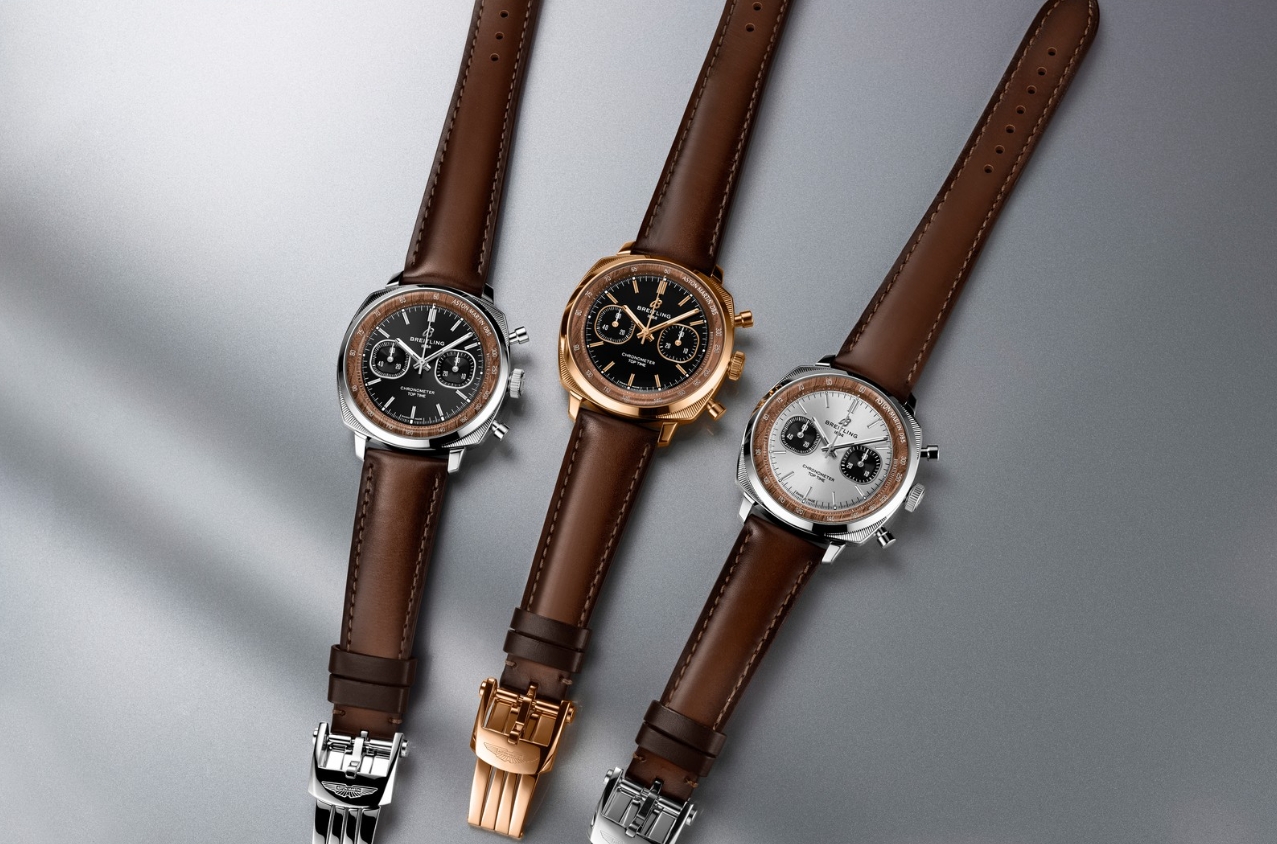
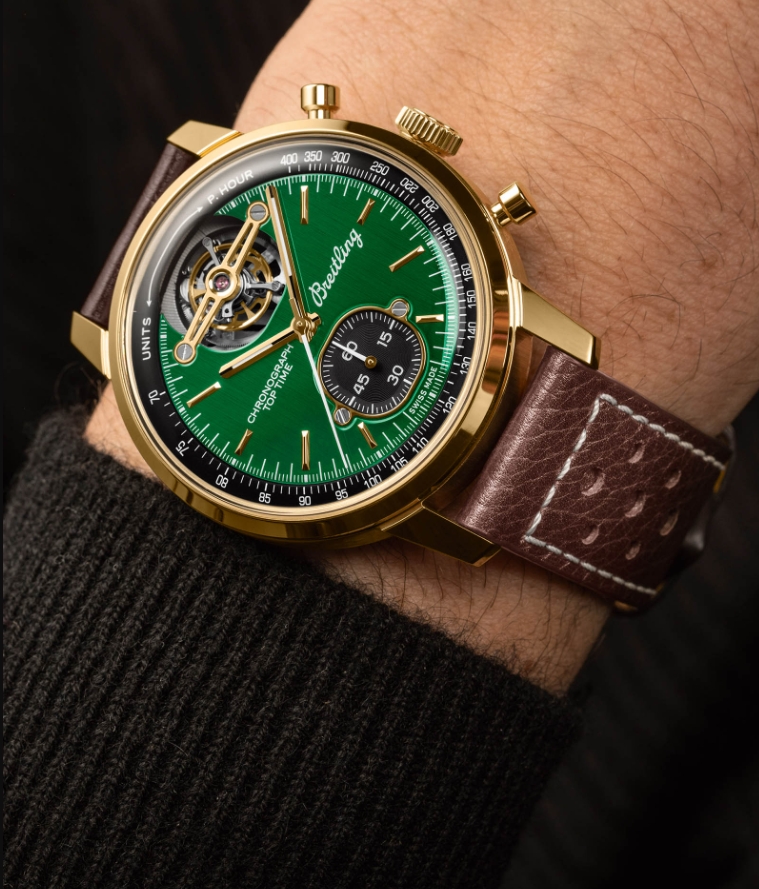
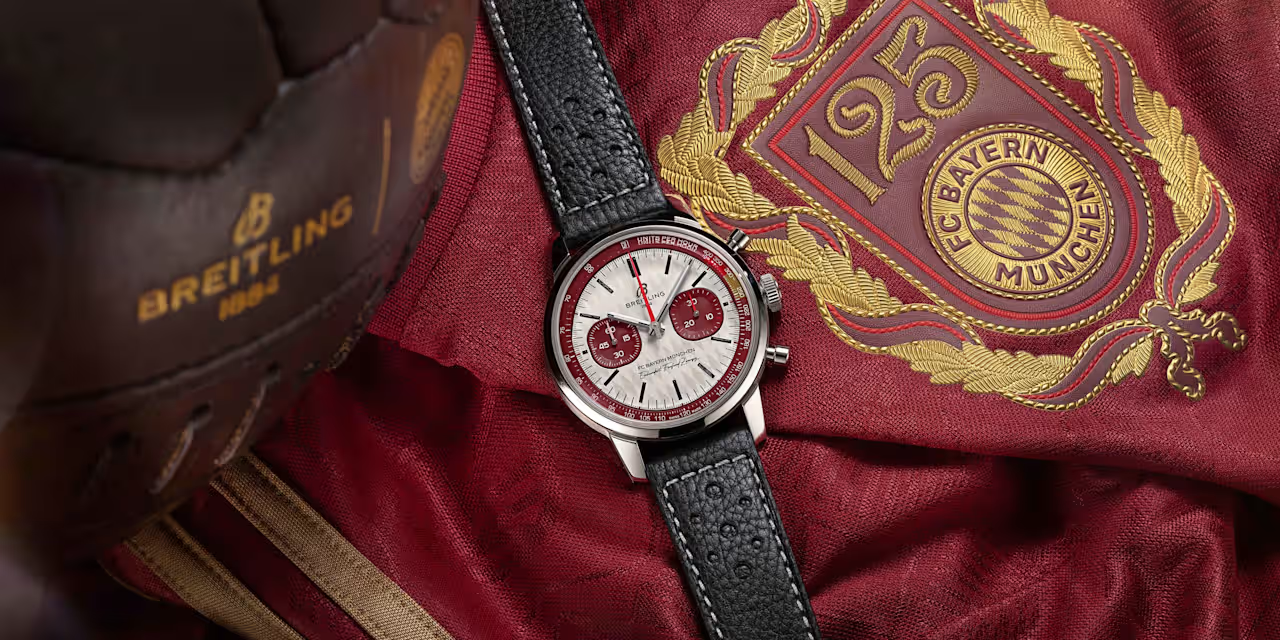
The Top Time B31 is significant because it removes the chronograph that most people associate with the collection and concentrates on proportion. Launched in 2025, the watch uses a 38 mm stainless-steel case and introduced Breitling’s Manufacture Calibre B31, a self-winding three-hand movement with an approximately 78-hour power reserve.
Those numbers matter because they change how the Top Time wears. At 38 mm in diameter and just over 10 mm thick, the genuine watch has a compact profile that sits much closer to vintage proportions than many modern Breitling models. The dial takes cues from classic-car dashboard instruments, while the perforated leather strap reinforces the motorsport connection.
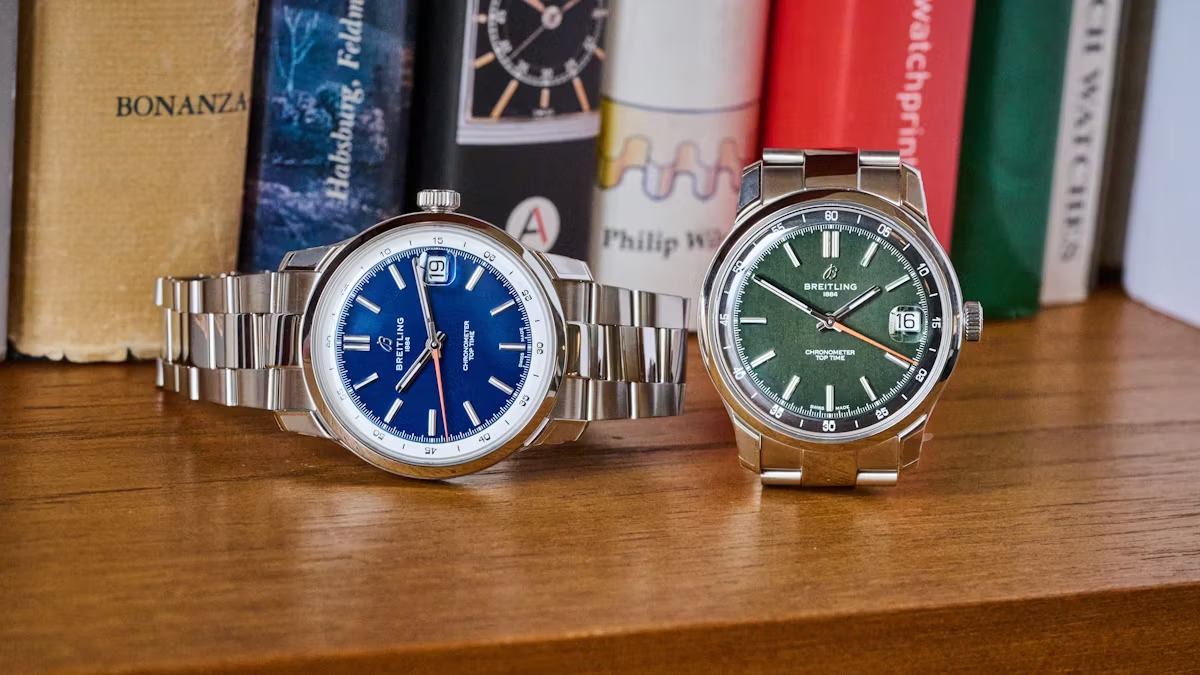
For a Top Time B31 replica comparison, case size alone is not enough. The date window, applied markers, dial texture and curvature of the crystal all affect the impression on the wrist. The watch works because the elements are restrained; an oversized bezel, thick rehaut or poorly placed date can upset that balance quickly.
A different Top Time
The B31 also shows why a collection should not be reduced to one design formula. Earlier Top Time models are known for colourful chronographs, while this version is a three-hand watch with a much calmer dial. Readers can compare the wider family in our Breitling Top Time section, while Nurluk covers the broader brand context.
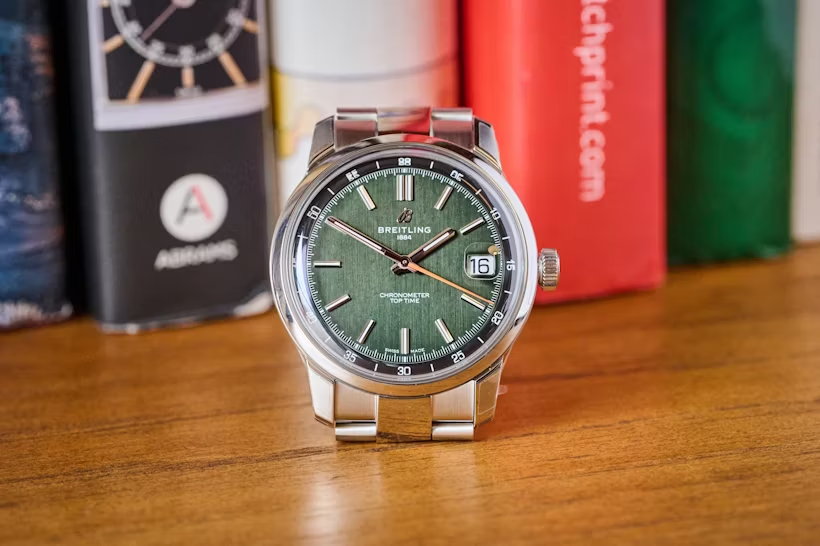
The move from chronograph to three-hand format also changes what should attract attention. There are fewer elements competing on the dial, so marker finishing, date-window framing and the proportions of the hands become much more visible. That makes a seemingly simple replica surprisingly unforgiving.
Breitling’s genuine B31 movement and its official 100 m water-resistance specification belong to the original watch. A replica version should not be assumed to share either. The practical approach is to separate original specifications from replica construction and judge the latter on what can be verified rather than on marketing language.